* All product/brand names, logos, and trademarks are property of their respective owners.
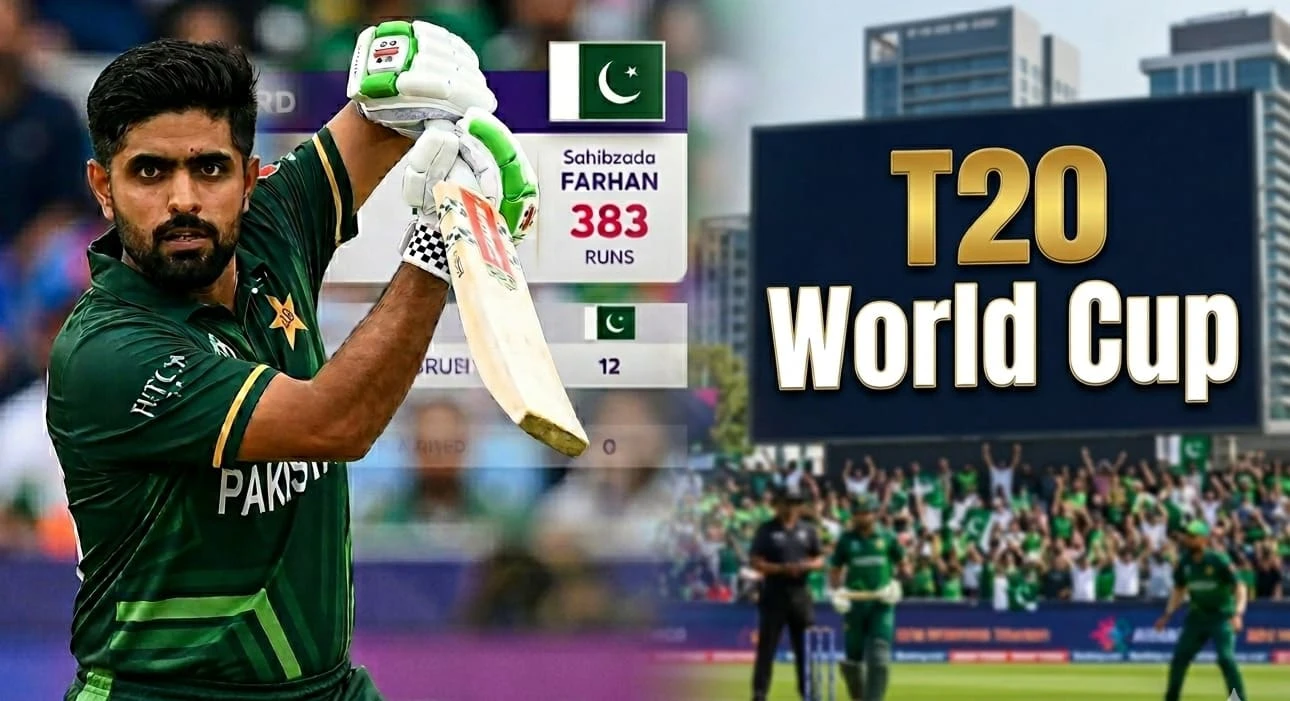
Pakistan’s performance in the 2026 T20 World Cup was a mix of promise, pressure, and familiar frustration. The team reached the Super Eights after a strong 102-run win over Namibia, powered by Sahibzada Farhan’s standout century, but the campaign also exposed weaknesses against stronger opposition.
For Pakistani fans, the tournament was not a complete failure, but it was not fully satisfying either. There were bright individual moments, especially with the bat, yet Pakistan struggled to build the kind of consistent team rhythm needed to challenge for the title.
The biggest talking points were clear: top-order dependence, middle-order inconsistency, pressure in major matches, and questions around tactical decisions. Pakistan had enough quality to compete, but not enough control to dominate.
This analysis looks at Pakistan’s 2026 T20 World Cup journey in detail, covering their results, batting, bowling, key players, turning points, and the final verdict on what this campaign really means for the future.
Pakistan’s journey in the 2026 T20 World Cup had two clear sides. On the one hand, they did enough to qualify for the Super Eights and produced one of their most dominant wins against Namibia. On the other hand, their heavy defeat to India showed the gap Pakistan still needed to close against high-pressure, top-level opposition.
Pakistan’s group-stage campaign was built around one important goal: qualify for the Super Eights. They managed to do that with a convincing 102-run win over Namibia, where Sahibzada Farhan’s century became one of the standout moments of their tournament. ESPNcricinfo reported that the win completed the Super Eight line-up, with Pakistan joining India as the qualifiers from Group A.
| Match / Stage | Key Moment | Result Impact |
|---|---|---|
| Pakistan vs India | Pakistan bowled out for 114 chasing 176 | Major setback |
| Pakistan vs Namibia | Sahibzada Farhan scored a century | Helped secure Super Eight qualification |
| Group Stage Overall | Pakistan qualified from Group A | Positive result, but with warning signs |
Reaching the Super Eights was a positive achievement, but it also raised the level of competition. Pakistan was placed in Group 2 alongside England, New Zealand, and Sri Lanka, which meant there was little room for slow starts or tactical errors.
The concern was not just qualification. It was how Pakistan handled pressure. Against India, Pakistan were bowled out for 114 in 18 overs after India made 175/7, losing by 61 runs. That result highlighted batting fragility, especially after early wickets left the chase in trouble.
Pakistan’s batting had one brilliant high point, but the overall picture was still uneven. The team showed how dangerous it could be when the top order clicked, yet the collapse against India proved that Pakistan still had problems chasing under pressure.
Sahibzada Farhan gave Pakistan their best batting moment of the tournament with an unbeaten 100 against Namibia. His innings helped Pakistan reach 199/3 and secure a 102-run win that confirmed their Super Eight qualification.
That innings mattered for two reasons:
The middle order remained Pakistan’s biggest batting concern. Against India, Pakistan were bowled out for 114 while chasing 176, with Usman Khan’s 44 being the only major resistance.
The problem was not just losing wickets. It was the lack of control after early pressure. Pakistan struggled to rotate strike, rebuild calmly, and find boundaries without taking risky shots.
Overall, Pakistan’s batting was powerful in patches but not reliable enough across conditions and opposition.

Pakistan’s bowling attack showed flashes of quality throughout the tournament, especially with the new ball. However, the campaign also highlighted familiar issues in pressure situations, particularly during death overs and against stronger batting lineups.
Pakistan’s fast bowlers remained their biggest strength early in the innings. The attack consistently created pressure with swing and seam movement, especially against lower-ranked teams. Against Namibia, Pakistan’s bowlers completely controlled the chase, dismissing the side for just 97 after posting 199/3.
Still, the bigger concern appeared against stronger teams. Pakistan struggled to stop the momentum once the opposition batters settled. India’s middle order accelerated effectively after a cautious start and finished with 175/7 — a total that proved far beyond Pakistan’s reach.
Key Issues with the Pace Unit:
Pakistan’s spin attack had mixed results during the tournament. In the middle overs, the spinners managed to slow the scoring rate at times, but they did not consistently produce breakthroughs against stronger batting sides.
The lack of attacking spin options became noticeable when opposition teams rotated strike comfortably and avoided risky shots.
Spin Bowling Challenges:
| Bowler Type | Performance Review | Overall Verdict |
|---|---|---|
| Fast Bowlers | Effective with the new ball | Good in phases |
| Death Bowling | Struggled under pressure | Below expectations |
| Spin Attack | Controlled runs occasionally | Inconsistent |
| Team Bowling Unit | Strong against weaker sides | Less effective vs elite teams |
Pakistan’s bowling attack still has quality, but the tournament showed that talent alone is not enough in major ICC events. The best teams consistently adapted under pressure, while Pakistan often lost control during critical overs.
Pakistan’s 2026 T20 World Cup journey was shaped by a few critical moments that changed the direction of the tournament for them. Some moments built momentum, while others exposed the same weaknesses that have hurt Pakistan in previous ICC events.
The biggest turning point was the 61-run loss to India in the group stage. Pakistan were chasing 176 but collapsed for 114 in just 18 overs.
This match highlighted several issues:
More importantly, the defeat affected confidence going into the next phase of the tournament.

Pakistan needed a strong response after criticism following the India defeat, and Sahibzada Farhan delivered exactly that. His unbeaten century against Namibia helped Pakistan post 199/3 before winning by 102 runs.
Why this innings mattered:
Pakistan often looked comfortable against weaker opposition but struggled to maintain the same intensity against elite sides.
The difference was visible in:
This inconsistency prevented Pakistan from becoming a genuine title favorite.
Another important turning point throughout the campaign was Pakistan’s tactical approach in crunch situations.
Questions were raised about:
The top teams in the tournament adapted quickly during pressure moments, while Pakistan often reacted too late.
Farhan was Pakistan’s standout performer, scoring an unbeaten century against Namibia to help secure Super Eight qualification. His aggressive yet controlled batting gave Pakistan strong starts and confidence at the top.
Usman Khan showed resilience during Pakistan’s collapse against India, scoring 44 while most of the batting lineup struggled.
Pakistan’s fast bowlers remained dangerous with the new ball and performed well against weaker teams, though death-over inconsistency remained a concern against stronger opponents.
One encouraging takeaway was Pakistan’s more aggressive batting approach in powerplays, especially from younger players, which could benefit the team in future T20 tournaments.

Pakistan’s 2026 T20 World Cup campaign falls somewhere between success and disappointment. Reaching the Super Eights was a respectable achievement, but the overall performances against stronger teams left many fans unsatisfied.
The team showed clear positives during the tournament:
At the same time, familiar weaknesses continued to hurt the team in crucial matches. The heavy loss to India highlighted problems with pressure handling, middle-order stability, and tactical execution.
| Area | Expectation | Reality |
|---|---|---|
| Super Eight Qualification | Expected | Achieved |
| Consistency Against Top Teams | Needed Improvement | Still a Problem |
| Batting Stability | Major Focus Area | Remained Inconsistent |
| Bowling Under Pressure | Expected Strength | Mixed Results |
In the end, Pakistan’s campaign was not disastrous, but it also did not feel like the performance of a true championship-winning side. The tournament showed that Pakistan still has enough talent to compete internationally, but improving consistency and decision-making remains essential before the next ICC event.
Pakistan’s performance in the 2026 T20 World Cup was competitive but ultimately inconsistent. Reaching the Super Eights showed that the team still has enough quality to compete on the global stage, yet the campaign also exposed several familiar weaknesses.
The batting relied too heavily on a few players, the middle order struggled under pressure, and tactical decisions in major matches often failed to deliver the desired results. At the same time, there were positives to build on, especially the emergence of Sahibzada Farhan and the aggressive intent shown by younger players.
The biggest lesson from this tournament is clear: talent alone is not enough to win ICC events. Pakistan now needs better consistency, smarter decision-making, and stronger performances against the top opposition if they want to become genuine title contenders again.
With the right adjustments, this campaign could still become an important step toward a stronger future for Pakistan cricket.

Feroza Arshad is a writer and content creator covering a range of subjects including news and current affairs, automobiles, sports, technology and coding, digital marketing, and Google and search trends. Her work appears across several blogs and publications. She focuses on clear, well-researched, and genuinely useful writing — breaking down developments, reviewing products, and explaining technical topics in plain language anyone can follow.
Pakistan cricket discussions often move from one format to another without enough separation. A play
4 June 2026
The Gujarat Titans vs Royal Challengers Bengaluru IPL Final Match Review is all about pressure, cont
1 June 2026
Some IPL matches are remembered for the result. Others are remembered for what they do to the table,
20 May 2026
Be the first to share your thoughts
No comments yet. Be the first to comment!
Share your thoughts and join the discussion below.