* All product/brand names, logos, and trademarks are property of their respective owners.
The way people watch sports has changed more in the last few years than it did in decades before. Not long ago, watching a live match meant sitting in front of a TV at a fixed time, flipping through channels, and hoping your cable package included the game you wanted. Missing a match often meant missing it completely.
Now, things look very different.
Fans are streaming matches on their phones during commutes, watching highlights instantly on apps, and switching between multiple games with just a few taps. Whether it’s cricket, football, or UFC, live sports are no longer tied to a living room screen. They’re available anytime, anywhere.
This shift isn’t random. It’s being driven by changing habits, smarter technology, and the growing demand for convenience and control. Traditional TV is still around, but it’s no longer the default choice—especially for younger viewers.
In this article, we’ll break down exactly why sports streaming is taking over traditional TV, what’s fueling this shift, and what it means for the future of how we watch our favorite games.
For years, traditional TV was the main way people watched live sports. Big broadcasters controlled access to major leagues, tournaments, and events, and fans usually had to buy large cable packages just to follow a few teams or competitions they actually cared about. It worked for a long time because there were few alternatives, and live sports remained one of the biggest reasons people kept paying for cable.
That model has started to break down.
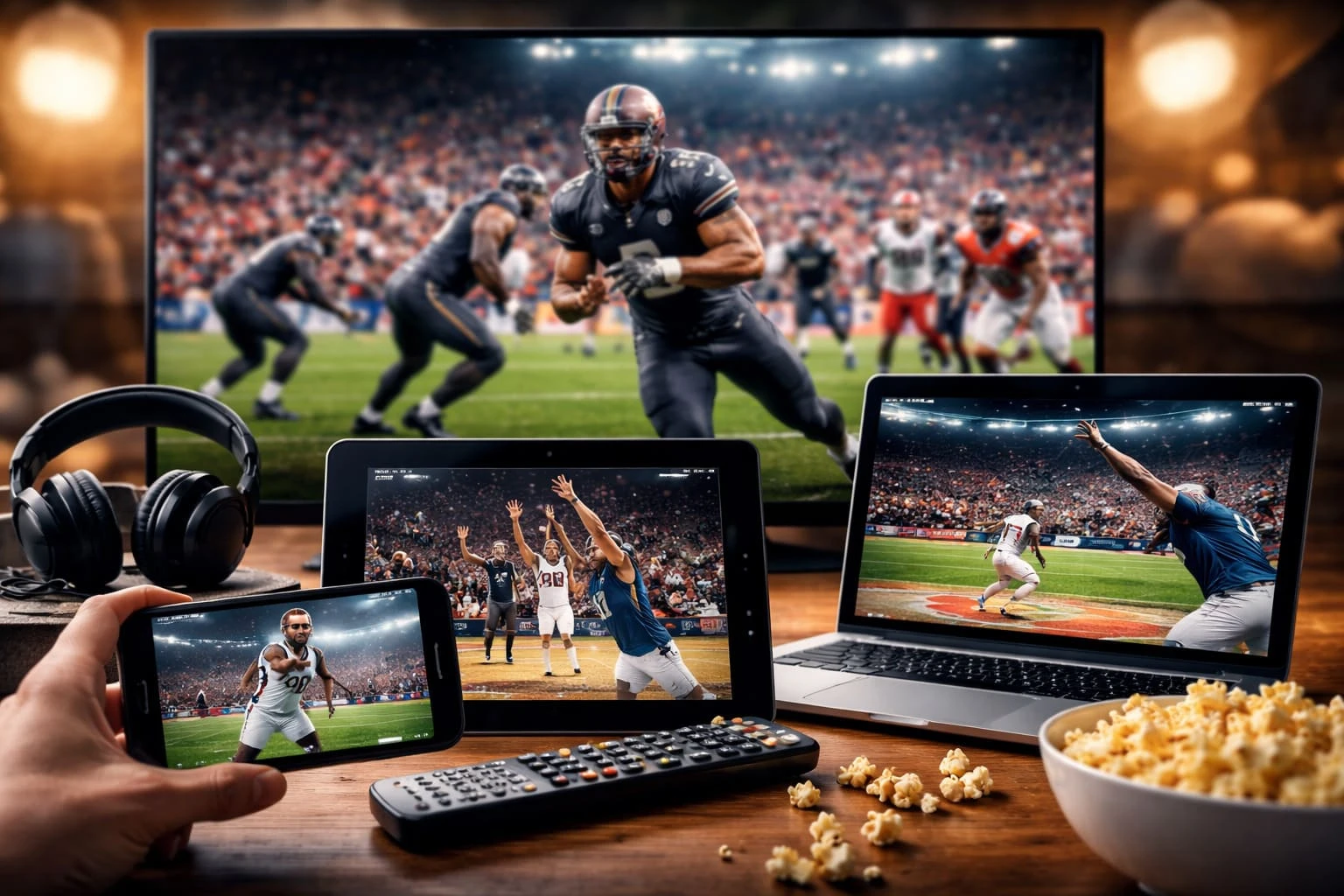
Streaming changed the way sports content is delivered and consumed. Instead of being tied to one TV set and one broadcast schedule, fans can now open an app and watch matches on a phone, laptop, tablet, or smart TV. This has made sports viewing feel more personal and much more flexible. People are no longer forced to plan their day around a match in the same way they once did.
Another major factor is cord-cutting. Many households have started cancelling cable because the cost keeps rising while streaming offers more choice. Instead of paying for dozens of channels they never watch, fans can subscribe to the platforms that actually carry the sports they want. That shift has made streaming feel less like an extra option and more like the new normal for sports fans.
One of the biggest reasons fans are switching is simple: freedom. With streaming, you’re no longer tied to a specific place or screen. You can start watching a match on your TV at home, continue it on your phone while commuting, and even catch the final moments on your laptop at work. This kind of flexibility fits naturally into how people live today—busy, mobile, and always connected.
Traditional cable often forces users into expensive bundles filled with channels they don’t need. Streaming flips that model. You pay only for the platforms you actually use, and most don’t require long-term commitments. If a tournament ends or a season is over, you can simply cancel. This level of control over spending makes streaming a much more attractive option for many households.
Streaming gives fans control that TV never could. Want to switch between two live matches? Easy. Missed a key moment? Just rewind. Prefer highlights instead of full games? They’re available instantly. Instead of following a fixed broadcast schedule, viewers can shape their own experience based on what they actually want to watch.
Modern streaming platforms are designed with the user in mind. Features like pause, replay, multiple camera angles, and personalized recommendations make the experience smoother and more engaging. Some platforms even offer real-time stats and interactive elements, turning passive watching into something more immersive.

The rise of sports streaming isn’t happening on its own—it’s being pushed forward by some of the biggest tech companies in the world. Platforms like Amazon Prime Video, YouTube, DAZN, and ESPN+ are investing heavily in sports rights, changing how games are distributed and watched.
In the past, TV networks dominated broadcasting deals. Now, tech companies are entering bidding wars for major leagues and tournaments. This shift is important because these platforms don’t just stream content—they enhance it. They bring better interfaces, smarter recommendations, and features designed for modern viewers.
For example, some platforms allow fans to watch multiple matches at once, switch camera angles, or access live stats without leaving the stream. Others are experimenting with interactive features like live chats and real-time polls, making the viewing experience more engaging than traditional TV ever could.
Another key change is accessibility. Streaming platforms are global by nature, which means fans can follow international leagues more easily than before. You’re no longer limited by regional TV rights in the same way—many services are expanding access across countries, giving viewers more options than ever.
This growing competition is also pushing innovation. As more companies fight for sports rights, they’re constantly improving their platforms to attract and retain viewers. The result is a faster, more user-focused experience that traditional TV struggles to match.
South Asia is one of the clearest examples of why sports streaming is growing so fast. In this region, sports are not just entertainment—they are part of daily life. Cricket in particular drives huge audiences, and more of those viewers are now watching through apps and digital platforms instead of traditional TV channels.
A big reason is mobile access. In countries like Pakistan and India, many fans use smartphones as their main screen for internet and video. That makes streaming a natural fit. Instead of needing a cable connection and a TV at home, people can watch live matches from almost anywhere with a phone and a data package. For younger viewers especially, this feels far more normal than sitting down for a scheduled TV broadcast.

Local platforms have also helped speed up this shift. Services such as Tapmad and Tamasha have made live sports easier to access for audiences who want quick, affordable, and mobile-friendly viewing. During major cricket events, these platforms often become the first choice for fans who want convenience without the cost of a full TV setup.
What makes South Asia especially important is scale. When millions of viewers start choosing streaming during major tournaments, it sends a clear message to broadcasters, advertisers, and sports leagues. The future audience is increasingly digital, and sports companies know they have to follow that audience.
Even though streaming is growing fast, it’s not perfect—and traditional TV still has a role to play.
Despite these issues, traditional TV still holds an advantage in reliability. It’s simple, stable, and doesn’t depend on internet speed. For many households—especially those less focused on tech—it remains a comfortable and familiar option.
So while streaming is clearly leading the shift, TV isn’t disappearing overnight. For now, both continue to exist side by side, each serving different types of viewers.
The way we watch sports is still evolving, and the next few years will likely bring even bigger changes. While streaming is already leading, the future isn’t about completely replacing TV—it’s about creating a more flexible and interactive experience for fans.
One clear trend is hybrid viewing. Many broadcasters are now combining traditional TV with streaming platforms to reach wider audiences. A major match might be available on TV, but also streamed online with extra features. This gives viewers the freedom to choose how they want to watch, depending on their situation.
We’re also seeing more exclusive streaming deals. Big tech companies are continuing to secure rights to major leagues and tournaments, which means some content may only be available online. As this trend grows, streaming will become even more central to sports viewing, especially for younger audiences who are already comfortable with digital platforms.

Another exciting shift is interactivity. Streaming platforms are experimenting with features like live stats, multiple camera angles, customizable viewing modes, and even social elements like chats and watch parties. Instead of just watching a game, fans are becoming more involved in the experience.
Looking ahead, personalization will likely play a huge role. Platforms may tailor content based on your favorite teams, viewing habits, and even the type of highlights you prefer. This kind of control simply isn’t possible with traditional TV.
All of this points in one direction: sports viewing is becoming more digital, more personal, and more flexible than ever before.
The shift from traditional TV to digital platforms is no longer just a trend—it’s a clear change in how people prefer to watch sports. From the flexibility of watching matches anywhere to the ability to control what, when, and how you watch, streaming has reshaped the entire experience for fans.
What makes this shift even more powerful is how naturally it fits into modern life. People are busier, more mobile, and more connected than ever. They don’t want to be tied to a fixed schedule or a single screen. Streaming meets those expectations by offering convenience, affordability, and a more personalized experience.
At the same time, traditional TV hasn’t completely lost its place. It still offers reliability and simplicity, especially for viewers who prefer a straightforward way to watch live events. But the momentum is clearly on the side of streaming, especially as technology continues to improve and more exclusive content moves online.
Looking ahead, the real winner is the viewer. With more choices, better features, and greater control, sports fans now have the freedom to watch the games they love in a way that suits them best. And as streaming continues to evolve, that experience is only going to get better.

Feroza Arshad is a writer and content creator covering a range of subjects including news and current affairs, automobiles, sports, technology and coding, digital marketing, and Google and search trends. Her work appears across several blogs and publications. She focuses on clear, well-researched, and genuinely useful writing — breaking down developments, reviewing products, and explaining technical topics in plain language anyone can follow.
Pakistan's 2-1 ODI series win over Australia in June 2026 gave fans a result to enjoy, but the more
5 June 2026
The clash between Hyderabad Kingsmen and Islamabad United in PSL 2026 wasn’t just another leag
13 April 2026
The US Open men’s final, one of the most anticipated tennis matches of the year, was marred by
8 September 2025
Be the first to share your thoughts
No comments yet. Be the first to comment!
Share your thoughts and join the discussion below.