* All product/brand names, logos, and trademarks are property of their respective owners.
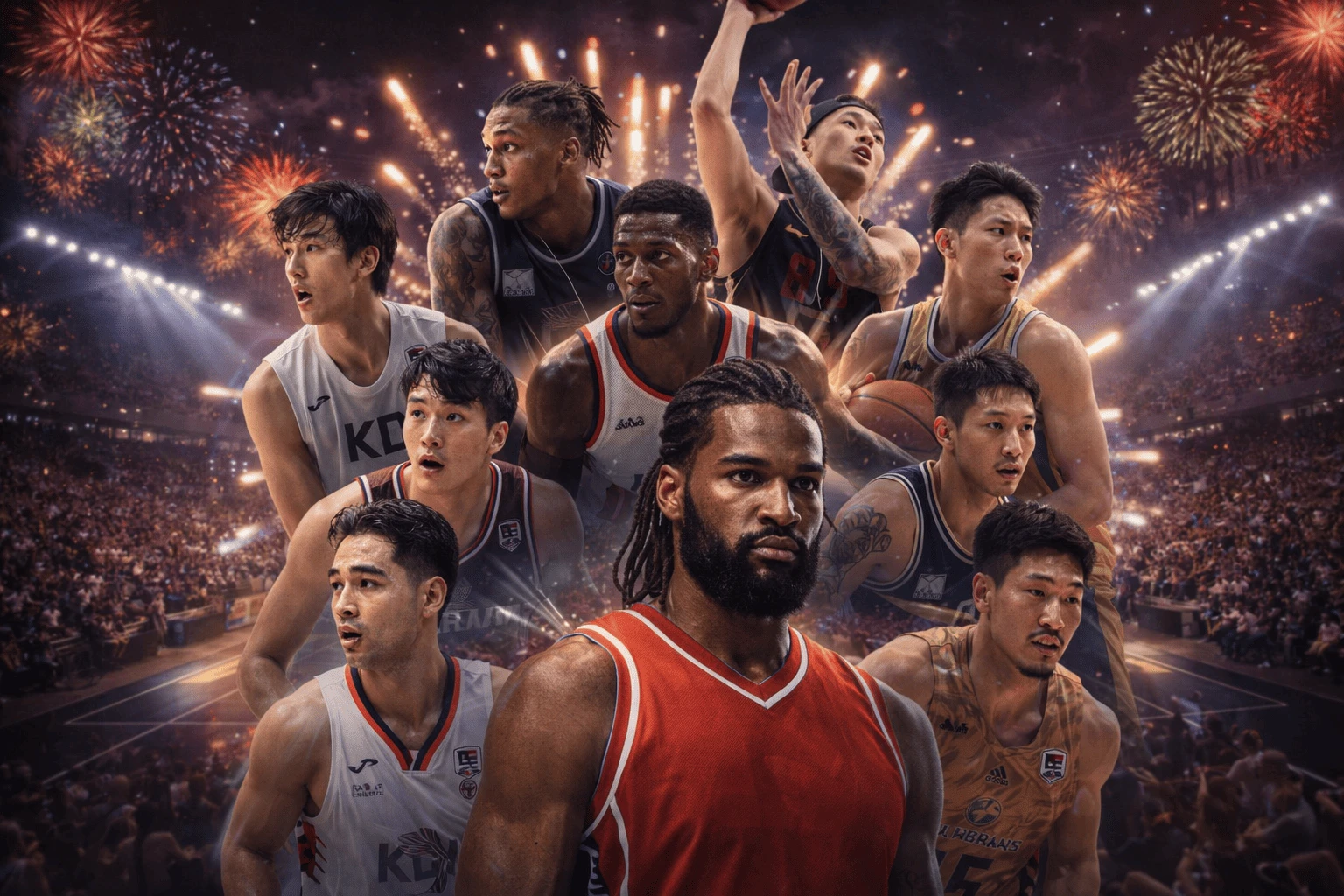
Basketball isn’t just America’s game anymore. For years, the National Basketball Association defined the sport’s spotlight — the biggest stars, arenas, and contracts all centered in the U.S. But that spotlight is widening. Across Asia and Africa, the game feels alive in new ways. In the Philippines, arenas fill with roaring fans. In Senegal, neighborhood courts buzz with young players chasing bigger dreams. In India, millions stream highlights on their phones. The rise of the Basketball Africa League shows the shift is real.
Yes, the numbers are impressive — booming markets, expanding audiences — but this movement is deeper than revenue. It’s youth-driven. It’s cultural. It’s about identity and opportunity. In many communities, a basketball court isn’t just a place to play; it’s a gathering space, a training ground, a symbol of hope. Asia and Africa aren’t just watching the game anymore. They’re shaping its future — and possibly becoming its next powerhouses.
If you zoom out and look at basketball as a global story, one thing becomes super clear: the loudest momentum right now is coming from Asia and Africa. Not in a “maybe someday” way — but in a real, measurable, happening-right-now way. The fanbases are growing fast, new leagues are getting serious attention, and basketball is becoming part of everyday culture in cities that used to sit outside the sport’s main spotlight.
This is exactly why so many experts keep talking about NBA global expansion and emerging basketball markets. The world is changing, and basketball is changing with it.
Fans are the heartbeat of basketball. When people tune in, grab jerseys, follow players, and repost highlights, the entire ecosystem grows. Broadcasters, sponsors, and brands simply follow the energy. The global basketball market is projected to hit $1.55 billion by 2033, with Asia-Pacific leading at an 8.63% CAGR. In short, Asia isn’t just joining the movement — it’s driving it. China anchors this surge with an enormous fan base that shapes global decisions. India’s rise feels different but just as powerful, fueled by millions streaming games on their phones. Across the Philippines, basketball lives on nearly every street, building loyalty from the ground up.
Africa’s momentum is just as exciting. With a fast-growing sports economy and accessible community courts, the game is spreading organically. Most of this expansion is powered by young fans who engage through clips, edits, and social feeds. You don’t even need to watch a full game to fall in love with basketball anymore — and that’s changing everything.
If there’s one project that captures the “basketball is going global” moment, it’s the Basketball Africa League (BAL). Launched as a partnership between the NBA and FIBA, the BAL is more than a league. It’s a platform for African talent, a boost for local economies, and a cultural rallying point for fans across the continent. The impact is already significant. Since 2021, the BAL has contributed over $250 million to Africa’s GDP and linked nearly 37,000 jobs to its operations. That shifts basketball’s role from “entertainment” to an industry — supporting event staff, media production, tourism, sponsorships, and local business activity.
Fan growth is just as impressive. In the 2025 season, BAL games generated over 2.7 million YouTube views, a 69% year-over-year increase. That digital reach matters because it lowers barriers: fans don’t need cable subscriptions — just an internet connection. And it’s not just online. The 2025 season saw a record cumulative attendance of 140,000+ fans across its multi-country conference phases. That level of live support shows the BAL is building real community energy — not just curiosity clicks.
Culturally, the BAL also gives African players a higher-level stage closer to home. It creates rivalries, storylines, and heroes — the ingredients that turn a sport into a lifestyle. Most importantly, it builds a bridge between grassroots talent and the global game, making the pathway feel real for young players watching from local courts.
A sport doesn’t truly become “global” just because it gains fans. It becomes global when it builds systems that consistently develop players, coaches, and professional opportunities. That’s where Asia and Africa are heading now — moving from fan markets to talent markets.
Elite development is one of the strongest signals that basketball is maturing in a region. That’s why NBA Academies matter so much. Centers like NBA Academy Africa in Senegal and NBA Academy Asia are designed to identify top prospects early and develop them with high-level coaching, strength programs, and competitive structure. The goal is to bridge the gap between raw local talent and professional-level readiness — and to connect players to pathways like the NCAA and global leagues.
But the real foundation is still grassroots access. If kids can’t easily play, the talent pool stays small. That’s why initiatives like FIBA’s support can be game-changing. For example, every African national federation now receives 300 basketballs annually from FIBA, helping schools and youth programs reduce entry barriers and increase participation. When access expands, the talent pipeline grows — and so does the chance of producing elite players.
One of the clearest signs that Asia and Africa are producing more talent is the surge in international player movement:
Africa’s international player transfers jumped from 124 to 485 between 2021 and 2025.
Asia’s transfers rose from 92 to 456 in the same period.
That kind of growth doesn’t happen unless scouts, agents, and teams believe the talent is there — and that it’s improving fast. These pathways aren’t “NBA or nothing.” Players are moving into NCAA programs, European leagues, BAL opportunities, and stronger regional leagues within Asia. As this becomes more common, basketball becomes more connected globally — with different styles, cultures, and approaches shaping the sport.
For the NBA, this trend supports global expansion in a practical way: international stars bring international fans, deepen storylines, and widen the sport’s commercial reach. For young players in Asia and Africa, it does something even more important — it turns the dream from a distant one to a reachable one. And belief changes everything. When young athletes see someone from a similar background “make it,” they train harder, communities invest more, and the entire ecosystem levels up.
Basketball isn’t just growing anymore — it’s transforming. Asia and Africa aren’t on the sidelines; they’re actively shaping the sport’s next chapter. The numbers are impressive, from a market heading toward $1.55 billion by 2033 to Africa’s sports economy climbing fast. But the real shift is happening on the ground. Leagues like the Basketball Africa League, youth academies, and grassroots programs are creating real opportunities. The next global star could emerge from Lagos or Manila. Basketball’s future isn’t regional anymore — it’s worldwide, and the momentum feels unstoppable.
Related Article
The Top 5 Basketball Leagues Outside the NBA

Mushraf Baig is a content writer and digital publishing specialist focused on data-driven topics, monetization strategies, and emerging technology trends. With experience creating in-depth, research-backed articles, He helps readers understand complex subjects such as analytics, advertising platforms, and digital growth strategies in clear, practical terms.
When not writing, He explores content optimization techniques, publishing workflows, and ways to improve reader experience through structured, high-quality content.
Not long ago, the three-point shot was considered a risky move — a tool used in desperation ra
21 January 2026
Basketball has grown into a truly global sport. While the NBA continues to dominate headlines and at
19 December 2025
Basketball has grown from a simple, fast-paced game in local gyms to a global phenomenon enjoyed by
12 December 2025
Be the first to share your thoughts
No comments yet. Be the first to comment!
Share your thoughts and join the discussion below.
.webp&w=3840&q=75)
.webp&w=3840&q=75)
.webp&w=3840&q=75)