* All product/brand names, logos, and trademarks are property of their respective owners.
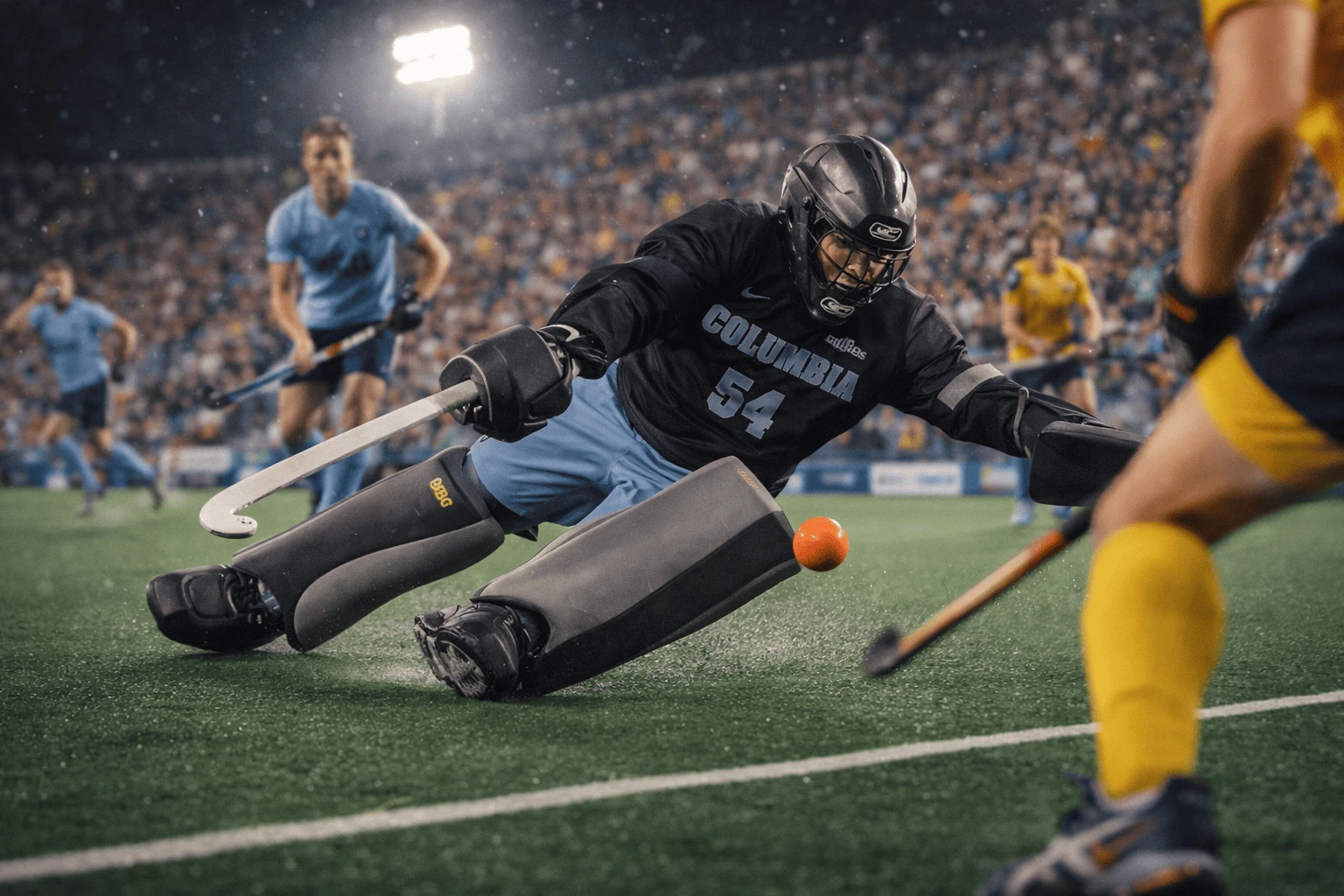
In recent years, one clear shift has transformed the world of field hockey: goalkeepers are no longer operating in the background. They have become central figures in the sport’s most memorable moments. Matches once remembered primarily for goals and attacking brilliance are increasingly defined by extraordinary saves, precise decision-making under pressure, and goalkeepers who refuse to let their teams fall behind.
As modern hockey grows faster and more tactically demanding, the role of elite goalkeepers has expanded dramatically. Whether it’s a World Cup clash, an Olympic qualifier, or a high-stakes league fixture, goalkeepers are shaping results and commanding headlines. Their influence goes far beyond stopping the ball—they control momentum, inspire confidence, and often determine which team prevails.
This increasing spotlight mirrors how the game itself has evolved. With teams pressing higher, penalty corner routines becoming more sophisticated, and the margin between top sides shrinking, goalkeepers have become among the most decisive players on the field. Their performances are not just important—they are unforgettable.

The modern hockey goalkeeper operates in an environment vastly different from previous generations. Increased game speed, sharper attacking systems, and relentless pressure have transformed the position into one of the sport’s most demanding roles. Today, a goalkeeper’s impact extends far beyond shot-stopping.
Elite goalkeepers influence how teams defend, how attacks are initiated, and how high-pressure situations are managed. Their presence alone can alter how opponents approach a match, knowing that clear scoring opportunities may still not be enough to breach the goal. This subtle psychological edge has made top goalkeepers pivotal to team strategies worldwide.
One of the most notable changes in modern hockey is how actively goalkeepers participate in gameplay. They are no longer confined to the goalmouth, waiting for shots to arrive. Instead, they are integral to team structure and tactics.
Modern goalkeepers must make rapid decisions under pressure, distribute the ball with accuracy, and launch counterattacks when the opportunity arises. A precise pass from the goalkeeper can bypass an entire press, instantly creating space for attackers. This ability to transition from defense to attack has made goalkeepers essential to contemporary hockey systems. Communication is another crucial aspect of the position. From their vantage point, goalkeepers have a complete view of the field. They organize defensive lines, call out threats, and guide teammates through chaotic moments. Teams with confident, vocal goalkeepers often appear more structured and resilient, especially when facing sustained pressure.
Penalty corners further highlight the expanded role of goalkeepers. With drag-flick speeds increasing and variations becoming harder to predict, stopping penalty corners has become a specialized skill. Elite goalkeepers meticulously study opposition routines, adjust their positioning in real time, and rely on explosive footwork to deny some of the most dangerous scoring opportunities.
While physical skill is critical, mental strength separates elite goalkeepers from the rest. The psychological demands of the position are unmatched. One lapse in concentration can undo an entire match, leaving little margin for error.
High-pressure situations—shootouts, final quarters, and knockout games—place goalkeepers under intense scrutiny. In these moments, composure is as vital as reflexes. The best goalkeepers slow the game down mentally, filtering out distractions and focusing entirely on execution. Equally important is how goalkeepers respond after conceding a goal. Top performers reset immediately, refusing to let frustration affect their confidence or decision-making. This mental resilience maintains team stability and prevents collapses in crucial match moments.
It is often mental toughness that separates a good performance from a headline-making one. Modern goalkeepers are increasingly recognized as leaders and match-winners rather than mere support players.

Across both international and domestic competitions, elite goalkeeper performances are increasingly defining how matches are remembered. In tightly contested games with limited chances and organized defenses, a goalkeeper’s influence can eclipse every other contribution on the field. Fans and analysts now closely track goalkeeper performance because a single save can shift momentum, alter belief, and even redefine the outcome of a tournament. Each critical intervention demonstrates the growing importance of the position in modern hockey narratives.
Major tournaments provide the most visible stage for goalkeepers to leave their mark. Events such as the Hockey World Cup, Olympic Games, and FIH Pro League consistently showcase moments where goalkeepers rise to the occasion under extreme pressure.
These defining saves often occur at pivotal moments—a late penalty corner, a one-on-one chance, or a shootout that could determine qualification or elimination. Elite goalkeepers prepare meticulously, analyzing shooter tendencies, studying patterns, and trusting instincts when the stakes are highest. What makes these saves memorable is not only their difficulty but their timing. A crucial stop late in the game can demoralize attackers while energizing an entire team. Such moments often become defining images of tournaments, replayed long after the final whistle.
Performances of this caliber also influence tactics. Opponents may hesitate, overthink, or adjust their approach when facing a goalkeeper in top form. This psychological edge amplifies a goalkeeper’s impact on the outcome of matches.
An elite goalkeeper’s value often shines brightest when a team is under pressure. During long spells of opponent dominance, defensive breakdowns, or tactical mismatches, goalkeepers become the last and most crucial line of resistance.
Numerous examples exist of goalkeepers producing outstanding performances despite minimal support. Consistent saves frustrate opponents, gradually shifting momentum and belief. Each successful intervention buys teammates time to regroup, adjust tactics, and regain control. This capacity to “keep teams alive” explains why coaches place immense trust in their goalkeepers. A reliable keeper allows outfield players to take calculated risks, knowing mistakes are less likely to result in immediate punishment. In modern hockey, where adaptability and confidence are essential, this freedom can be decisive.
Top goalkeepers do more than react—they actively shape outcomes. Their performances can turn potential defeats into draws or victories, making them central figures in post-match analysis and media coverage.

Elite goalkeeper performances have fundamentally transformed how hockey matches are played, analyzed, and remembered. Goalkeepers no longer operate in the shadows; they are now central characters in the sport’s biggest stories, influencing outcomes through skill, leadership, and mental strength.
What sets today’s top goalkeepers apart is their consistency under pressure. Whether facing relentless attacks, high-speed penalty corners, or sudden-death shootouts, they deliver when it matters most. Their ability to control key moments, organize defenses, and inspire confidence has elevated the position to one of the most influential in the game. Looking ahead, the importance of goalkeepers will only grow. Advances in training, video analysis, fitness, and psychological preparation are producing a new generation of highly specialized athletes. Young players are increasingly drawn to the position, inspired by the recognition and impact that elite goalkeepers receive on the global stage.
For fans, this shift offers a deeper appreciation of the sport. Every save tells a story of preparation, bravery, and split-second decision-making. For teams, elite goalkeepers represent stability, confidence, and leadership in hockey’s most challenging moments. As the game continues to increase in intensity and competitiveness, one truth remains clear: goalkeepers no longer just protect the goal—they define the headlines of modern field hockey.
Related
FIH Hockey Rankings Update: Which Countries Are Rising Fast?

Mushraf Baig is a content writer and digital publishing specialist focused on data-driven topics, monetization strategies, and emerging technology trends. With experience creating in-depth, research-backed articles, He helps readers understand complex subjects such as analytics, advertising platforms, and digital growth strategies in clear, practical terms.
When not writing, He explores content optimization techniques, publishing workflows, and ways to improve reader experience through structured, high-quality content.
Field hockey has always been a sport full of energy, speed, and skill — but lately, it’s
17 January 2026
The world of field hockey is buzzing with excitement as the FIH Hockey Rankings 2026 are offici
12 January 2026
In grass hockey, your stick is more than just a piece of equipment — it’s your biggest p
10 December 2025
Be the first to share your thoughts
No comments yet. Be the first to comment!
Share your thoughts and join the discussion below.
.webp&w=3840&q=75)
.webp&w=3840&q=75)
.webp&w=3840&q=75)