As the countdown to the ICC T20 World Cup 2026 intensifies, uncertainty continues to surround Pakistan’s participation, leaving fans, players, and officials on edge. The Pakistan Cricket Board (PCB) has yet to formally confirm its involvement, awaiting final clearance from the federal government. With deadlines approaching, the delay has sparked widespread concern across the cricketing world.
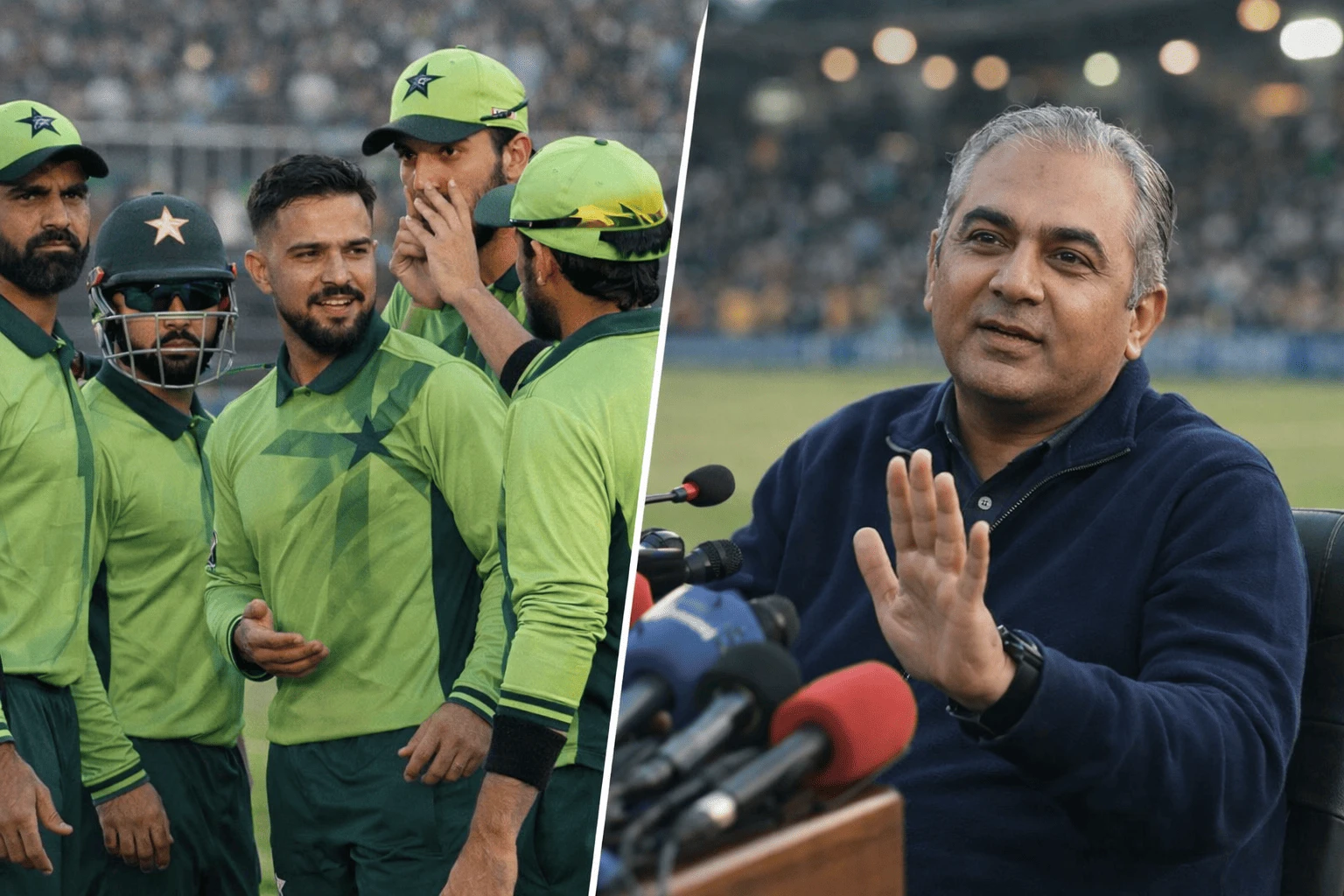
This uncertainty goes beyond routine administrative delays. It highlights the complex intersection of sport, politics, and diplomacy between Pakistan and India. PCB Chairman Mohsin Naqvi—who also serves as Pakistan’s Interior Minister—finds himself balancing national interests, international obligations, and mounting public pressure as the ICC awaits a definitive response.

Government Approval and Domestic Politics
Unlike most international cricket boards, the PCB operates under direct governmental oversight. Any overseas tour, particularly to India or India-hosted events, requires cabinet-level approval. Officials cite diplomatic sensitivities, national security concerns, and financial accountability as primary reasons for this process.
According to Naqvi, the final decision will be guided by “national interest and security considerations,” though no clear timeline has been announced. This ambiguity has already disrupted Pakistan’s preparations. Training camps, warm-up fixtures, logistical planning, and visa processes remain on hold, putting players at a competitive disadvantage.
Domestic politics further complicate matters. Hardline elements within Pakistan’s political and military establishment argue that participation—even if matches are played at neutral venues—would indirectly legitimize India’s hosting rights amid unresolved tensions, particularly over Kashmir. These voices advocate a firm stance, even at the cost of sporting consequences.
Conversely, former cricketers, analysts, and fans have urged the government to separate politics from sport. They warn that a boycott could isolate Pakistan from the international cricketing ecosystem, trigger ICC sanctions, and hinder the development of future generations of players. For many, the cost of non-participation far outweighs the political symbolism.
The India Factor and Neutral Venues
India’s role as the primary host remains central to the debate. The ICC has already indicated that Pakistan’s matches—especially high-profile fixtures against India—are likely to be scheduled at neutral venues such as Sri Lanka or the United Arab Emirates. This arrangement mirrors previous compromises aimed at ensuring Pakistan’s participation without requiring travel to India.
Despite these assurances, skepticism persists in Islamabad. Critics fear domestic backlash, arguing that even neutral-venue participation could be perceived as yielding ground to New Delhi. Historical precedents underline these concerns. Pakistan only participated in the 2016 Asia Cup after it was relocated from India to Bangladesh. Similarly, while Pakistan played in the 2019 ODI World Cup in England, bilateral engagement with India was limited to the mandatory group-stage match.
The 2023 Asia Cup followed a comparable hybrid model, with Pakistan’s participation confirmed only after extensive negotiations over neutral venues. The recurring pattern highlights how fragile cricket diplomacy remains between the two nations.
The stakes are high. The ICC has warned that withdrawal without a valid justification could result in financial penalties or even suspension. ICC CEO Geoff Allardice has reiterated that participation is a binding commitment, while BCCI Secretary Jay Shah emphasized that India’s hosting rights would not be compromised, framing the tournament as a global event rather than a bilateral contest.
Fan Anxiety and Player Impact
The prolonged uncertainty has taken an emotional toll on fans and players alike. Social media platforms are flooded with hashtags such as #LetUsPlay and #CricketNotPolitics, reflecting growing frustration and anxiety. Supporters fear that politics may once again overshadow the sport.
Players, meanwhile, remain caught in the crossfire. Fast bowler Naseem Shah briefly voiced his frustration in a now-deleted social media post, writing: “We train our whole lives for this. Don’t sacrifice our dreams for your egos.” His words resonated with many, capturing the sentiments of a generation eager to compete on the world stage.
With the ICC’s confirmation deadline set for February 15, 2026, the clock is ticking. Pakistan’s decision will not only determine its participation in the T20 World Cup but could also shape its standing in international cricket for years to come.