* All product/brand names, logos, and trademarks are property of their respective owners.
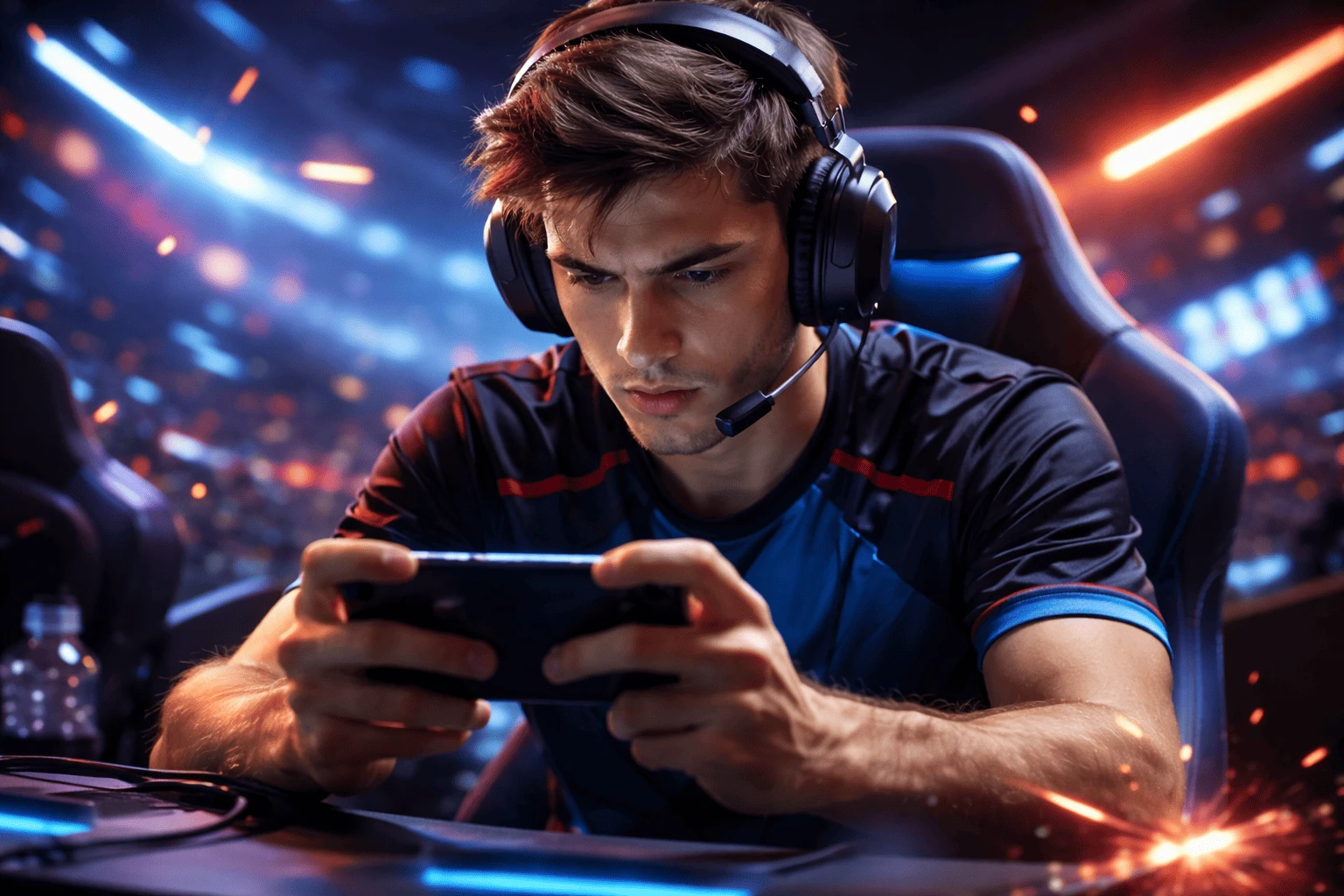
Esports has exploded over the past decade, evolving from small PC and console communities into a global phenomenon with millions of fans, professional players, and billion-dollar revenues. But one of the biggest game-changers didn’t come from high-end rigs — it came from smartphones. Mobile esports has made competitive gaming accessible to anyone with a phone, opening the door for players worldwide. Games like PUBG Mobile, Free Fire, Call of Duty Mobile, and Mobile Legends are now at the heart of esports. By breaking down barriers of cost, hardware, and location, mobile esports has expanded competition and reshaped the global gaming landscape.
Mobile esports is not the same as casual mobile gaming. While casual games are designed for entertainment and short play sessions, mobile esports focuses on competition, structure, and skill progression. It includes ranked systems, professional teams, official leagues, and international tournaments.
Just like traditional esports, mobile esports operates under defined rules and formats. Players train regularly, teams practice strategies, and tournaments are organized with prize pools, sponsors, and large audiences. The difference is not the seriousness — it’s the platform. Mobile esports games are built to reward consistency, teamwork, and decision-making. Anti-cheat systems, spectator modes, and competitive balancing are core features. Winning at higher levels requires discipline and deep game knowledge, not luck or casual play.

Several mobile games have proven that smartphones can support large-scale competitive ecosystems. PUBG Mobile and Free Fire dominate the battle royale space, drawing massive global viewership. Call of Duty Mobile offers fast-paced competitive modes designed for esports play.
In the MOBA category, Mobile Legends: Bang Bang and Arena of Valor lead the way, especially in Asia and emerging markets. These games feature complex mechanics, role-based teamwork, and strategic depth comparable to PC MOBAs. What unites these titles is strong developer support. Frequent updates, balanced gameplay, and official tournaments ensure long-term competitiveness. This support has turned mobile esports into a sustainable and professional ecosystem.
The biggest reason mobile esports grew so quickly is accessibility. Smartphones are already part of daily life for billions of people. Unlike PCs or consoles, players don’t need expensive setups, gaming rooms, or specialized equipment to compete.
This accessibility changed who could participate in esports. Players from regions where traditional esports struggled — including parts of Asia, Africa, Latin America, and the Middle East — found opportunities through mobile gaming. Talent could emerge from anywhere, creating larger and more competitive player pools. Lower entry barriers also mean faster growth. More players lead to stronger competition, healthier ecosystems, and continuous talent discovery. Ranked ladders and online qualifiers allow anyone to prove themselves purely through performance.
Modern smartphones are powerful gaming devices. Advanced processors, efficient GPUs, and high-refresh-rate displays allow competitive games to run smoothly. Touch responsiveness and customizable controls give players precision that rivals traditional input methods. Network improvements have been equally important. The spread of 4G and the rise of 5G significantly reduced latency and improved stability — both essential for competitive play. Mobile esports games are now optimized for consistent performance across a wide range of devices.
Developers also design games with esports in mind, offering optimized graphics settings, in-game tournaments, and spectator features. Together, these advancements turned smartphones into legitimate competitive platforms.

A common misconception is that mobile esports lacks real skill. In reality, professional mobile esports demands precision, game sense, and teamwork. Touch controls may look simple, but mastering them takes thousands of hours of practice.
Top players use advanced techniques such as claw grips, multi-finger layouts, and highly customized HUDs. Reaction time, positioning, and decision-making often matter more than raw mechanical speed. At the highest level, the skill gap between casual players and professionals is massive. Mobile esports rewards smart play. Strategy, map awareness, timing, and communication consistently decide outcomes. Competition is intense, fast, and unforgiving — just like any other esports discipline.
Professional mobile esports players follow structured training routines. Daily schedules include ranked matches, team scrims, and strategy reviews. Coaches analyze gameplay footage to refine tactics and correct mistakes.
Mental discipline and consistency are critical. Tournaments often involve long sessions and high-pressure matches. Physical comfort, device optimization, and hand coordination all play a role in performance. Because mobile esports is so accessible, new talent emerges constantly. This keeps competition fresh and forces players to adapt continuously. The result is a dynamic, ever-evolving competitive scene.
Traditional esports usually requires expensive hardware and specialized peripherals, creating higher entry barriers. Mobile esports relies on devices players already own, making competitive gaming more inclusive.
Mobile games are designed for shorter matches and intuitive controls, but that doesn’t reduce depth. Instead, skill expression shifts toward strategy, positioning, and teamwork. Cost efficiency remains one of mobile esports’ strongest advantages. This affordability explains why mobile esports thrives in regions where PC and console gaming struggled to grow.
Mobile esports also changed how audiences consume competitive gaming. Many fans watch matches directly on their phones through platforms like YouTube and social media. This mobile-first viewing experience makes esports easier to access.
Creators and influencers play a major role in growth. Short-form content, community tournaments, and live streams help mobile esports spread organically. While traditional esports dominate large arena events, mobile esports excels at community-driven engagement. Rather than replacing traditional esports, mobile esports complements it by reaching new audiences.
Mobile esports expanded esports into regions previously underrepresented. Southeast Asia, South Asia, the Middle East, Latin America, and Africa now host thriving competitive scenes with local leagues and international success.
At the same time, mobile esports continues to grow in North America and Europe, especially among younger audiences. This global expansion has made esports more diverse and culturally rich. Mobile esports didn’t just develop the industry — it globalized it.
For many players, mobile esports is a legitimate career. Income comes from tournament winnings, team salaries, sponsorships, and content creation. Coaches, analysts, and event organizers also benefit from the ecosystem. What makes mobile esports unique is how reachable this path is. Talented players can rise from online play to professional stages without massive investment. This democratization of opportunity is one of mobile esports’ greatest strengths.

The future of mobile esports points toward larger tournaments, better production quality, and stronger league systems. Developers continue to invest in esports-focused features, while hardware and network improvements enhance competitive stability. Hybrid models combining online accessibility with offline finals are becoming more common, strengthening community engagement and professional legitimacy.
Mobile esports is unlikely to replace traditional esports — but it doesn’t need to. Instead, it expands the ecosystem. As younger generations grow up with smartphones as their primary gaming devices, mobile esports will naturally continue to grow in influence and prestige. It’s not competing against PC esports. It’s redefining what esports can be.
Mobile esports represents one of the most transformative changes in competitive gaming history. By turning smartphones into esports platforms, it removed barriers that once limited who could compete and where talent could emerge. Skill, strategy, and dedication remain at the heart of competition — regardless of device. Mobile esports has proven that competitive gaming is defined by mindset, not hardware.
As technology improves and global audiences grow, mobile esports will continue to shape the future of the industry. It’s not a trend or a side category. It’s a core pillar of modern esports — and it’s here to stay.

Mushraf Baig is a content writer and digital publishing specialist focused on data-driven topics, monetization strategies, and emerging technology trends. With experience creating in-depth, research-backed articles, He helps readers understand complex subjects such as analytics, advertising platforms, and digital growth strategies in clear, practical terms.
When not writing, He explores content optimization techniques, publishing workflows, and ways to improve reader experience through structured, high-quality content.
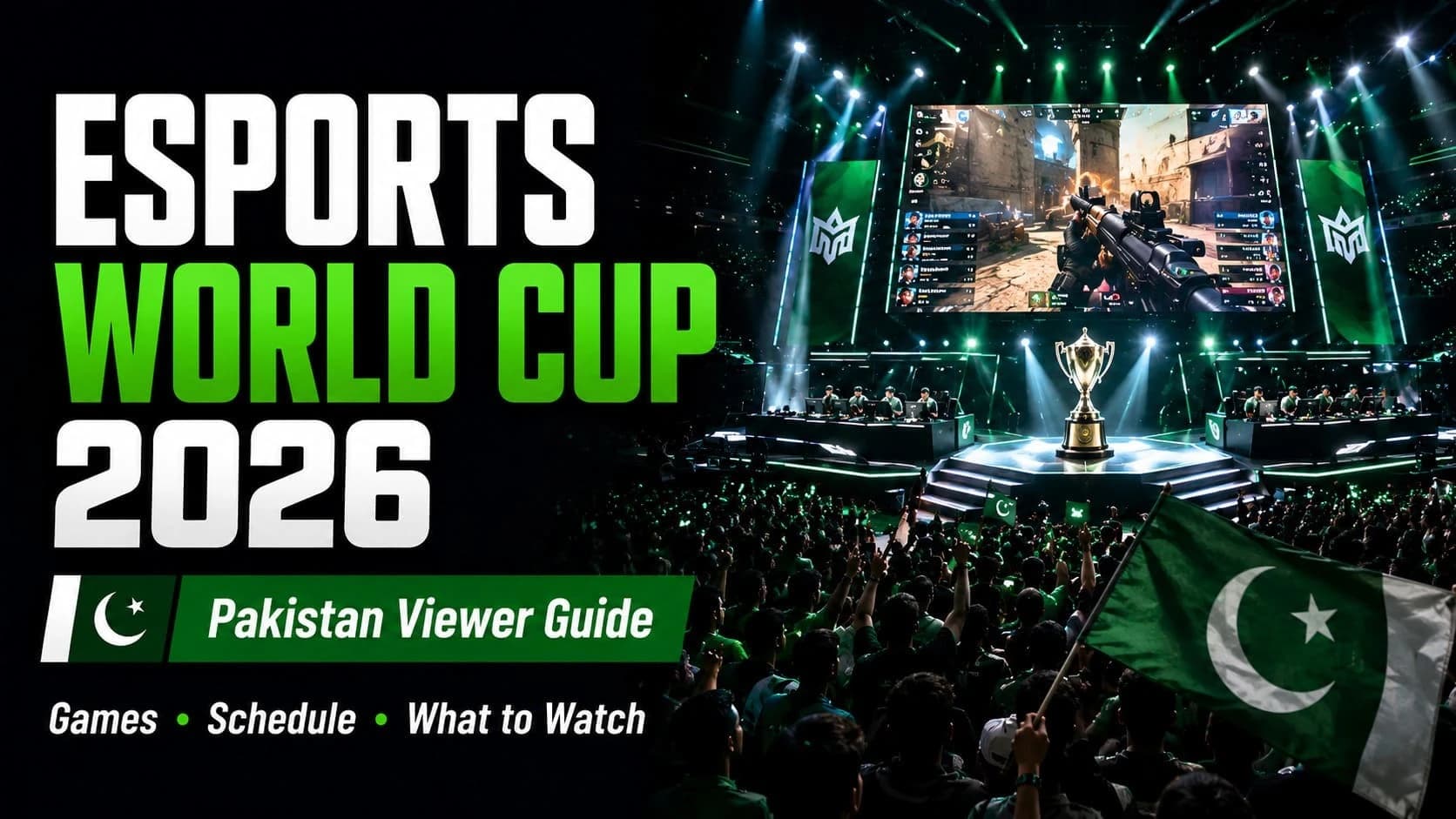
The Esports World Cup 2026 is not a single-game tournament. It is a multi-title event where clubs an
5 June 2026
Esports in Pakistan has come a long way from small gaming cafés, friendly console matches, an
23 May 2026
In recent years, mobile gaming has exploded in Pakistan, becoming more than just a hobby &mdash
17 January 2026
Be the first to share your thoughts
No comments yet. Be the first to comment!
Share your thoughts and join the discussion below.

.webp&w=3840&q=75)